Blog

Part 2: Common types of textile construction for curtains and upholstery

Choosing the right fabric for a project can make all difference. In this two-part series we are breaking down the most common constructions so you know what to look for when shopping around.

Delve back into part one to refresh your fabric knowledge and feel like an expert in the showroom. These popular textile constructions can be categorized into the five basic styles described in our earlier article.

VELVET

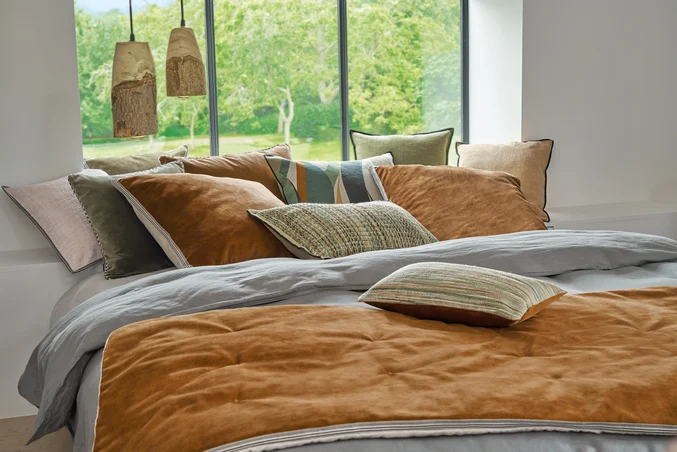
Velvet is a cut warp pile fabric, made from fibres that form the surface of the material. It can be woven with many different materials including silk, cotton, and synthetic blends. The fabric is constructed on a loom weaving two lengths of velvet at once, the lengths are separated and wound onto independent take-up rolls. This process can give many effects—for example, leaving the pile up or laying it in one direction for a sheen.

When velvet is used for drapery application, the pile should face up for a richer, deeper hue. If it were facing down, any disturbance in the pile would be more noticeable because it would fall back into place more slowly. In upholstery applications, it is most common to use the pile of velvet in a downward direction. This gives furniture a smooth and consistent appearance—but not one that’s too slippery. Velvet should NOT be railroaded into seats or other cushions - it should only be used conventionally.

OMBRÉ

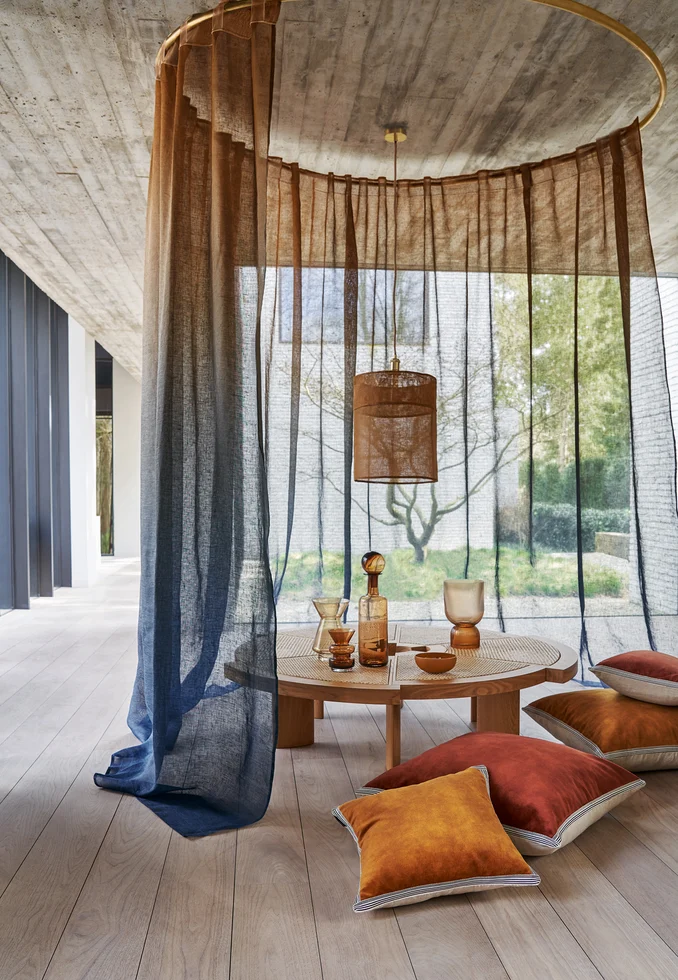
Ombré fabrics show a graduated or shaded effect of color, usually ranging from light to dark tones of one hue. The term ombré describes any fabric with a dyed, printed, or woven design in which the hues transition from lighter to darker shades.

NOTE: Floats are missed interlacing, where the warp yarn lies on top of the weft. 

SHEER

Sheers are lightweight fabrics that can add a soft, ethereal look to windows and rooms. They provide privacy, but also allow light into the room through their transparency. Sheers will slow down deterioration of your furniture from sunlight and UV degradation by blocking those rays—but still letting enough in for people or pets who need some exposure.

Sheers are available in a range of weights, weaves, and widths; sometimes being weighted on one selvedge. Historically lead was used for this purpose but zinc is more common today. Weighted hems give a finished look and allow sheer curtains to drape well, but their use is restricted by room height.

If your architectural home has a stud height higher than 3.2 meters, you can use wide-width sheers. The selvedges are sewn together to create an appropriate drop for the space (if using weighted sheers, trim te weight off first).

Sheer fabrics are often used with a coloured lining to create a main drape, whether they’re hung on separate tracks or not depends on the desired outcome. Linings come in varieties of finishes and colours, producing decorative variations when hung separately.


SUEDE

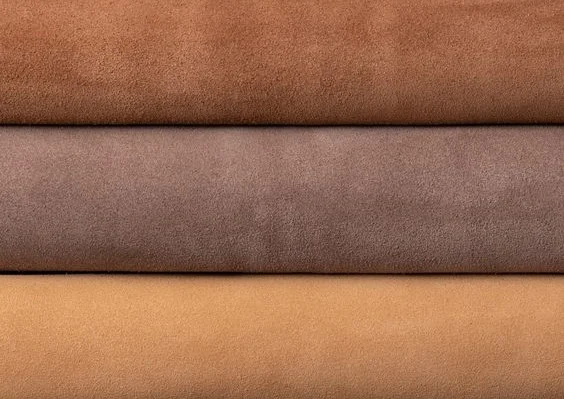
Suede fabrics are made by weaving or knitting cloth whose face is finished to resemble suede leather.

Sourced from Pinterest

Sourced from Pinterest

TAFFETA

Taffeta fabrics are smooth, crisp, and tightly woven. Originally made from continuous filament silk yarn, they now commonly contain other fibers such as polyester.

TAPESTRY

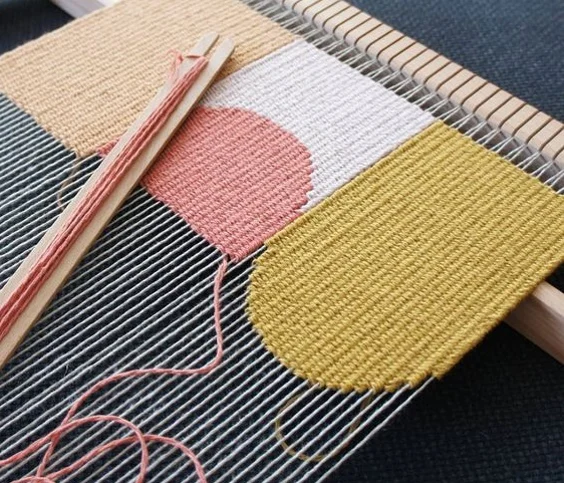
Modern tapestries are often based on traditional designs created on vertical looms. Tapestries make up a small portion of the market for furniture coverings, but they're popular as decorative pieces because of their delicate nature and heavy weight.

Sourced from Pinterest 

Sourced from Pinterest 

TARTAN

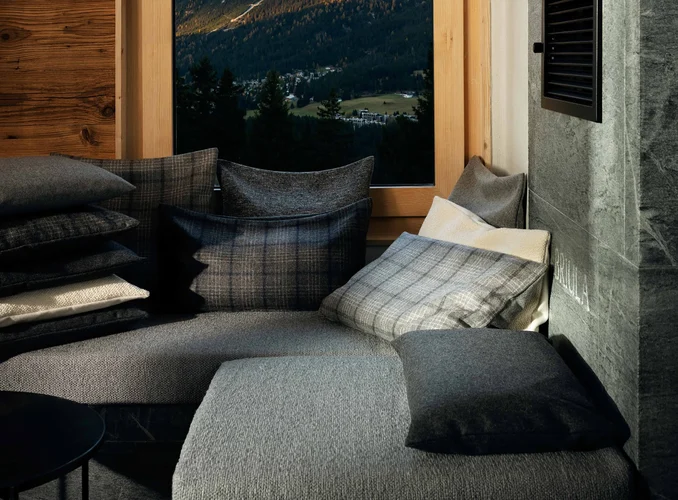
Tartans originated as twill-woven woolen fabrics with a check pattern, worn by Scottish clans. Tartan is now descriptive of wider range of fabric with this type of patterning, sometimes called plaids.

TOILE

A toile de Jouy is a type of decorative fabric with a repeating pattern depicting a scene. The motifs are printed on an off-white or white background and consist of a single colour, most often black but sometimes dark red, blue, or green.

4757 0207

4757 0320

SATIN/SATEEN

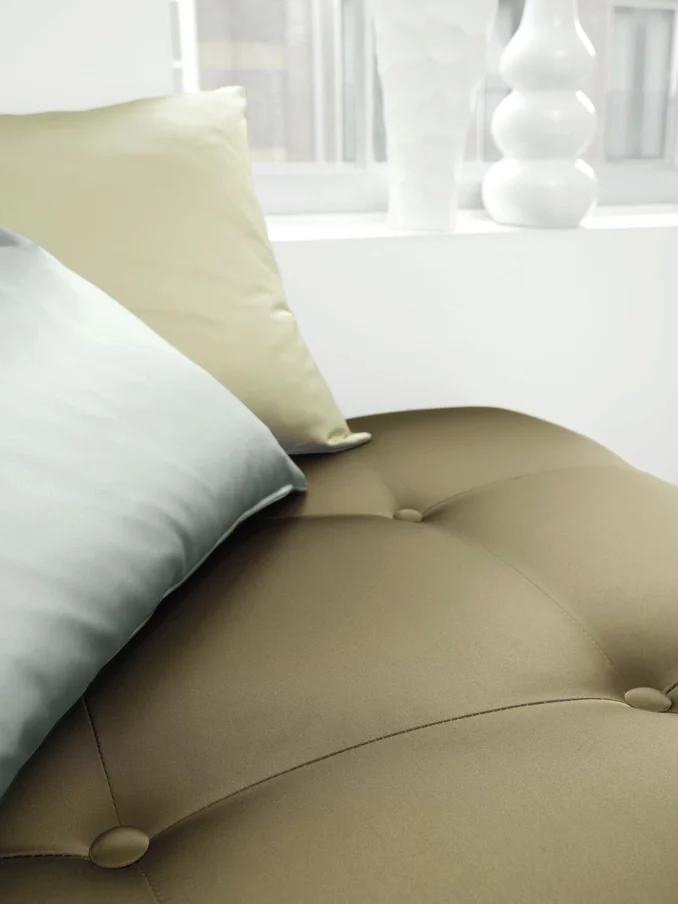
This type of fabric is made by interlacing two sets of yarns in a satin weave. This causes the shiny side to have many strands going over and under, while the back has fewer or none at all.

If the fabric created is formed by weaving filament fibers such as silk, nylon, or polyester together, it is considered a satin. Some definitions insist that only silk can be used to create this type of material and if the yarns used are short-staple yarns such as cotton, the fabric is considered a 'sateen.'

The choices in fabric for a home interior project are almost endless and the possibilities are exciting! But having a deeper understanding of each construction will ensure you achieve a great result whether it be an at-home DIY project or a workroom bringing your scheme to life.

There are five fabric categories that make up the foundation of curtain and upholstery fabrics available to consumers today. Each category is produced using different techniques, which gives each one its own unique characteristics. Some of these fabric types will be familiar to you, like plain an...