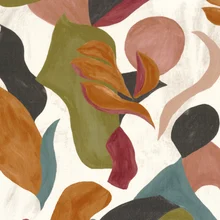
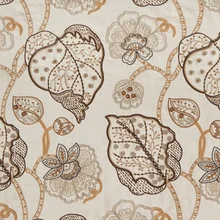
Printing is the process of applying coloured designs and patterns to a woven textile. One or more colors are applied only in specific parts, using thickened dyes so that they won't spread beyond those limits. The colour in quality printed fabrics is bonded with the fibre so that it won't fade when cleaned or from friction (crocking). Printing is an ancient textile manufacturing technique and there are five print production methods you can use:
Burn Out Printing:
This process uses chemicals, rather than colour, to burn or dissolve away one fibre in a fabric. The purpose is to achieve a sheer design on a solid fabric. However, the chemical compounds used during production can make this material sensitive to ultraviolet degradation when hung in direct sunlight for long periods of time.
Digital Printing:
This new printing method is a popular, commercially viable option due to its flexibility, precision and consistency. Any design can be printed onto fabric using this technique, even one with photographic detail and there are no restrictions on the variety of colours that can be used.
Engraved Roller Printing:
Engraved roller printing is used for the majority of printed fabrics worldwide. The colors are printed directly onto the fabric using one roller for each colour in the print. The more colours, the greater the definition and depth of color will be. The number of colours is indicated on the selvedge edges along with the brand name.
Hand Block Printing:
The oldest form of printing, in which dyestuffs are applied to fabric by means of wooden, linoleum or copper blocks. Each colour has its own block and the artisan must match these perfectly to create an all-over printed design.
Transfer Paper Printing:
Heat and pressure are used to transfer a printed design from paper onto the fabric, generally these are polyester/cotton blends. The print definition is generally excellent, although the technique does not provide high-resolution images when compared with digital printing.