Blog

Part 1: Common types of textile construction for curtains and upholstery

There are many fabrics to choose from for curtains and upholstery, but is important that your fabric choice be based on the particular attributes required for its application.

In our earlier article, we outlined the five main types of textile fabrics and, in this two-part article, we'll discuss some of the most commonly manufactured constructions that are available today.

DAMASK

Damask are traditional jacquard fabrics made by interlacing weft threads with warp ones to create a series of raised and lowered areas on the fabric's face.


CHINTZ


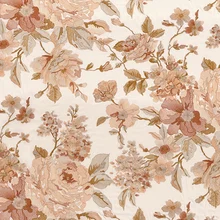
Chintz is a type of plain-woven fabric, traditionally made from cotton and given a glazed or calendared finish to produce the lustrous appearance.


FELT

Felt is a textile made from matted fibers. There are two types of felt: woven and un-woven. Felting (the process of making felt) of woven wool fibres is carried out using heat, moisture, and pressure to interlock the natural scales on wool fibers together.

Sourced from Pinterest

Sourced from Pinterest

FIL COUPÉ

A small jacquard pattern on a lightweight fabric, in which the fil/weft threads connecting each pattern/motif are cut and removed from the reverse of the fabric leaving the remaining pattern/motif with frayed edges.


FAUX-LEATHER (VINYL)

Polyvinyl chloride (commonly known as PVC or vinyl) is the third-most widely produced polymer after polyethylene and polypropylene. Polyurethane (PU) is a vinyl composition that has a strong resistance to cleaning solutions—making it an equally important material as PVC.

PU is a suitable polymer for use in healthcare and other frequently cleaned environments because it has natural resilience to being cleaned, while PVC cracks and loses its plasticiser (the compound that keeps the material soft) through exposure and therefore should not be washed with cleaning solvents.

Topical finishes applied to PVC vinyls can offer a similar cleaning performance to PU but they are more likely to wear off under heavy use.


LENO
 

Lenos are transparent woven fabrics, where the warp yarns diagonally cross each other by a special mechanism on the loom. This allows for widely spaced weft yarns and produces an open and mostly transparent fabric.

IKAT

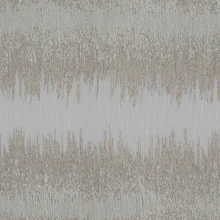
Ikat fabrics are produced by resist-dyeing techniques that create patterns on yarn before weaving. A predetermined section of the yarn is bound tightly so it will not take up dye. When the yarn is woven the cloth shows characteristic blurred edges to the pattern, partly from movement or redistribution of the warp when put onto the loom, and partly from bleeding and capillary action. 


Sourced from Pinterest 

Sourced from Pinterest 

LACE

Lace is a delicate, open-work fabric usually made of mesh or net on which patterns are created either as the ground is made or afterwards. The yarns that make up lace fabrics are looped, twisted, or knitted to create an airy feel and intricate designs.

MATELASSÉ

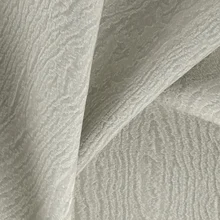
Matelassé fabrics are soft, double-cloth, or compound materials made on a jacquard loom. These materials have the appearance of being quilted, blistered, puckered, or wadded due to their construction method.

MICROFIBRE

Microfibres are tiny fibres spun from synthetic materials. They can resemble natural products such as suede, leather, or silk by changing their composition and texture. Microfibre fabrics are tightly woven so that dust and allergens don't seep inside and if liquid spills onto microfiber, the bead-like droplets will be easily wiped away with a dry cloth.

• Microsuede – A soft type of microfibre created from 100% polyester, designed to look and feel like real suede. 

MOIRÉ

Fabrics with a wavy or moiré pattern are created by calendaring cotton fabrics with ribs or cords running lengthwise through the weft. The moiré effect can be created in two ways: by embossing an engraved roller onto the fabric's surface or by feeding two layers of material through a calendaring machine. The resulting pattern will remain visible on the cloth, depending on the chemicals and fibers used during manufacturing.

MOQUETTE

Moquette fabrics are firmly woven warp-pile fabrics. The pile yarns are lifted over wires, which may or may not have knives. Withdrawal of the wires will either give a cut or an uncut pile creating a loop. Moquette is favoured for upholstery due to its durability and long lifespan even in heavy wear conditions.

There are five fabric categories that make up the foundation of curtain and upholstery fabrics available to consumers today. Each category is produced using different techniques, which gives each one its own unique characteristics. Some of these fabric types will be familiar to you, like plain an...