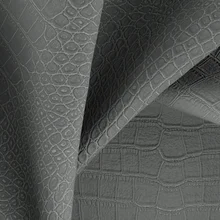
Polyvinyl Chloride (PVC) is a type of synthetic plastic material that can be formulated to be either rigid and brittle, or soft and malleable by adding a plasticizer or softener.
PVC vinyl usually encounters challenges when exposed to commercial chemical cleaning solutions, which are often alkaline. These solutions can trigger a chemical reaction between the plasticizer compound in the PVC vinyl and the cleaning agent, resulting in problems. When the alkaline substance meets the PVC, it initiates a chemical reaction that causes the plasticizer to draw out of the vinyl, resulting in a stiff and brittle material. As a result of the loss of plasticizer, the PVC product can quickly become hardened, cracked, and prone to delamination.
Some varieties of PVC vinyls are coated with a surface finish that creates a protective layer. This layer allows for the use of typical chemical cleaning solutions like those containing bleach. It's essential to keep in mind that this topical coating might deteriorate over time based on the amount of usage and exposure the vinyl undergoes.
Regrettably, history has shown that there is often minimal oversight of the cleaning process in commercial settings, where the responsibility for maintenance or cleaning typically falls on contracted cleaning staff. As a result of improper care and maintenance in these settings, numerous PVC vinyls have failed and required replacement.