Blog

A Guide to Viscose

Viscose, also known as rayon, has been widely used in both the fashion and soft furnishings industries since the early 1900s due to its cost-effective production, luxurious feel, and natural sheen.

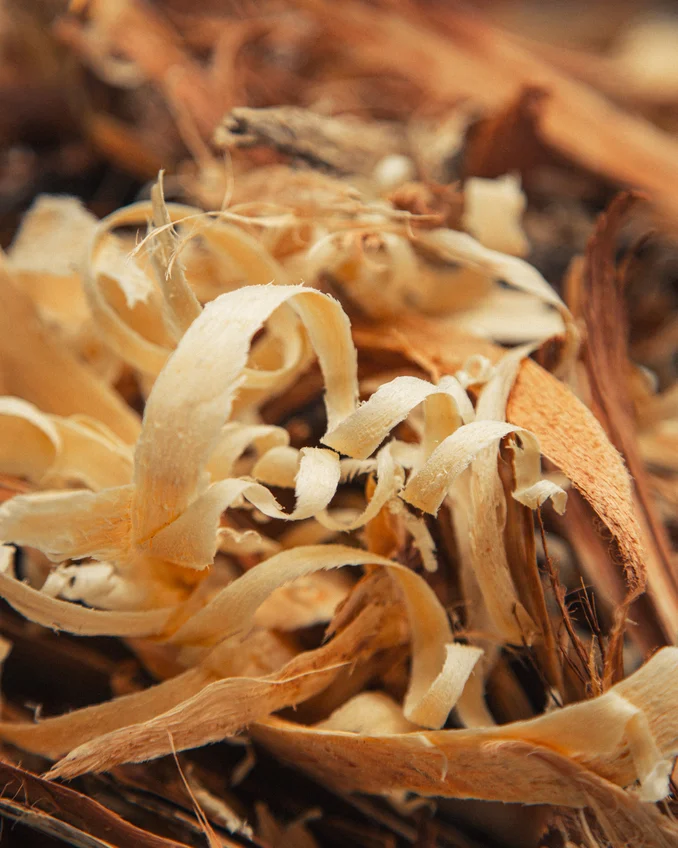
Despite originating from a natural fibre, viscose differs from cotton and linen as it goes through a manufacturing process and is therefore known as a regenerated fibre. It is made by dissolving wood pulp in alkali and then extruding the solution through a nozzle into acid, where it solidifies into filaments which are spun into yarn.

Viscose has its own unique characteristics which must be taken into consideration. In this article we will delve into these characteristics and viscose’s enemy — H2O.

CHARACTERISTICS OF VISCOSE

  • Viscose is a soft, lustrous synthetic fibre with a subtle natural sheen. It imitates the appearance of many other natural fibres while generally being more cost-efficient.
  • Viscose fibres are highly absorbent and retain dye well, giving them the capability to reflect bright, bold colours. Like natural fibres, fabrics with viscose fibres can be treated with the same dyeing methods, finishes, and printing techniques.
  • Fabric compositions with a high percentage of viscose yarns should not be washed or spot cleaned with water as this can cause watermarks. Due to the material’s high absorbency, we highly suggest professional dry cleaning.
  • Viscose, like all natural fibres, fades when exposed to sunlight. Due to the high UV exposure in Australasia, we suggest mindful placement of natural fibres in your home. We always recommend using a lining for drapery applications to protect your fabrics.
  • Viscose is a versatile fabric that can be used for drapery, upholstery, and accessories. Due to being a fabric that can only be dry cleaned, we generally do not recommend using fabrics with high viscose content for bedding.

WHAT TO KEEP IN MIND WHEN USING VISCOSE FABRICS

Colour Loss or Bleeding:

Viscose fabrics may fade and bleed when exposed to substances such as alcohol, perfume, hair treatments, and urine. Do not use spotting solutions that contain alcohol, mineral acids, or bleaches on viscose fabrics.

Cellulose Browning:

Viscose fabrics are made from cellulose fibres which are sensitive to moisture and alkaline cleaning solutions. If your fabric is left wet for a long period of time after cleaning, browning may occur.

Watermarks:

Viscose is vulnerable to watermarks. A watermark, even from just spilling water, may be permanent and must be carefully cleaned by dampening the fabric evenly.

Fabric Weakness:

When wet, viscose can lose up to 70% of its durability, increasing risk of rips or tears when cleaning or dry-cleaning.

Texture Distortion:

Velvet and chenille fabrics made from viscose yarns can be distorted if not cared for properly after cleaning. The bigger the nap or the fibres that you see sticking upwards, the more tracking or sway marks will emerge.

Using fabrics that are fit for purpose ensures longevity and aesthetic appeal, so consider fabric strengths and weaknesses carefully before starting a new project. When used correctly and maintained properly, viscose is a versatile natural fabric that adds value to any interior design project.

Related

Textile Testing: Colourfastness

Tips & How To

Alongside abrasion resistance, pilling, and seam slippage, we test our textiles for colourfastness. The results help us to determine the durability of our textiles and their suitability in specific applications. We rigorously test all our fabrics at independent laboratories to accommodate Austral...