
Understand one of the world's softest textiles
Blog

Arthur G Orb Modular in Footloose by Zepel FibreGuard | Photograph by Lillie Thompson

Arthur G Albert Sofa in Cabourg by Casamance | Photograph by Lillie Thompson
Chenille: Our Essential Guide
First crafted by French weavers in the 1780s, chenille – much like bouclé – refers to both a specific type of yarn and the fabric it produces. The fabric’s distinctive fuzzy texture brings to mind the hair-like bristles, or setae, of a caterpillar. In fact, this resemblance is what inspired the name chenille – French for caterpillar.

Early Techniques & Uses
Early Techniques & Uses
During the 18th century, chenille yarn was made by crafting a leno or cross-woven fabric and then cutting it into fluffy, textured strips. These soft yarns were favoured for women's fashion and the decorative arts, where they were often stitched onto embroidered designs.
Initially made by hand, the development of water-powered machines in the 19th century allowed chenille to be mass-produced, making it accessible to the growing middle class. Challenges including the loss of weft tufts over time or during washing persisted until the 20th century when low-melt nylon was introduced to bond the core yarns together.
Modern Weaving Techniques
Modern Weaving Techniques
Today, short pile fibres of 2-3 mm in length are placed between two base yarns and twisted to form loops, creating chenille's signature texture and look. These loops are then trimmed at sharp angles and woven, resulting in the fabric's distinct shimmer.
Chenille yarns are generally incorporated into the weft to create a pile fabric that is softer and has a more varied texture than velvet. This fabric can be crafted from natural fibres such as silk, viscose, linen, or cotton, or from synthetic materials to achieve durable, high-performance fabrics. Each fibre blend gives chenille a unique look and tactile quality.
Chenille vs velvet
Chenille vs velvet
While velvet can complement both modern and classic styles, chenille offers a more versatile fabric choice with a relaxed, casual look.
The key difference is that velvet must be produced on a velvet loom and comes in two main types: plain velvet and jacquard velvet. Chenille, however, is a versatile yarn that can be creatively blended with other yarns, providing greater flexibility for interior design applications. For instance, in the Coverlet fabric, chenille is subtly embedded within the weave to add surface texture, while in the Cuddly fabric, it stands out prominently, enhancing the richness of the pile and colour.
Explore some of our favourite chenille textiles:
Footloose by Zepel FibreGuard
Footloose by Zepel FibreGuard
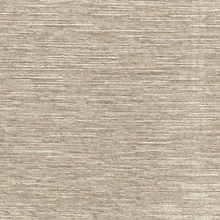
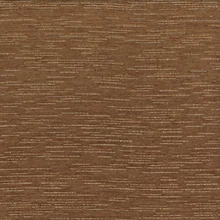
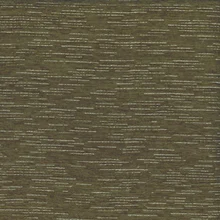
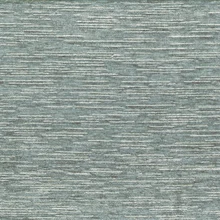
Footloose is a chenille featuring a mélange, two-tone effect and velvety handle in a vast palette including rich shades of coffee, cayenne, sage, and honey, Footloose will seamlessly integrate into any interior scheme. Composed of 50% polyester and 50% acrylic, this fabric offers FibreGuard stain-resistant and upholsters effortlessly on curved pieces enhancing contemporary design.


Segreti by Casamance
Segreti by Casamance
Strolling in Venice in search of secret locations, the canals seem to whisper their secrets, water shimmering in the evening light. Sergeti is a luxurious chenille texture, lifted by a metallic covered yarn.
Slalom by Casamance
Slalom by Casamance
Slalom is a striking jacquard upholstery. A tactile blend of alternating chenille and boucle yarns results in a soft fabric with wide stripes, suggestive of the tracks made during a ski race.


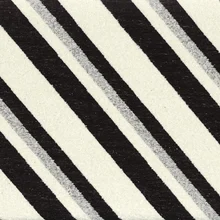

Devina by Zepel FibreGuard
Devina by Zepel FibreGuard
Devina is a yarn-dyed chenille jacquard from our Eco range. With a blend of polyester, recycled polyester, and recycled polypropylene, Devina presents a conscious choice for modern interiors. Enhanced with FibreGuard’s stain-resistance properties, this fabric is designed to endure daily wear in residential and commercial interiors.


Cabourg by Casamance
Cabourg by Casamance
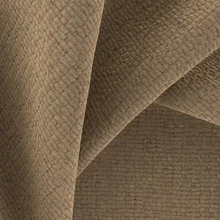
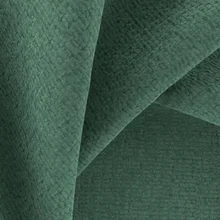
A luxurious texture constructed in Italy on a cotton backing, Cabourg features a viscose-linen warp and a slubbed chenille weft. An irregular corduroy rib with a natural look and striking relief is present on the surface of this tactile upholstery.


Plush by Zepel FibreGuard
Plush by Zepel FibreGuard
Plush lives up to its name with a rich texture and dappled two-tone effect. A yarn-dyed chenille jacquard boasting FibreGuard technology for long-lasting durability and easy maintenance. Included in our Eco range, Plush is composed of 53% recycled polyester and 47% acrylic, ensuring safe and sustainable practices.


Matica by Zepel FibreGuard
Matica by Zepel FibreGuard
Matica is a dynamic chenille upholstery featuring multi-coloured bouclé yarns throughout its constructio. Equipped with FibreGuard’s stain-free and anti-microbial properties, Matica resists mildew and odours, making it both practical and hygienic. Composed of 18% recycled polyester and 82% polyester, Matica is machine washable at 30 degrees.



Palmera by Fischbacher 1819
Palmera by Fischbacher 1819
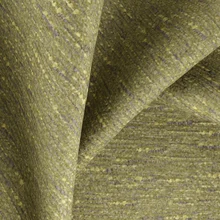
Two colours in the warp and two in the weft create Palmera, Fischbacher 1819's lively palm design, to which the chenille yarn lends an especially soft feel. Palmera is available in six contemporary colours.


Innovation by Zepel FibreGuard
Innovation by Zepel FibreGuard
Innovation is a dynamic jacquard featuring a patinaed pattern, delivering tonal and textural shifts across the surface. Designed with FibreGuard’s inherent stain resistant properties, this multi-purpose chenille boasts a rich handle and exceptional movement in a sustainable composition of 75% recycled polyester and 25% polyester.


Concerns relating to sustainability and the presence of forever chemicals are at the forefront of consumer awareness. FibreGuard upholstery fabrics are completely free from these harmful substances, offering a safe and responsible choice for your interiors. In this article, we’ll delve into what ...
